

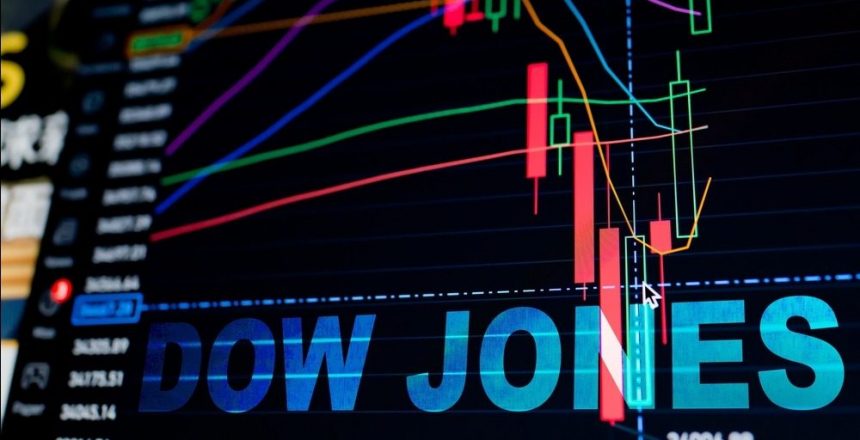
Wall Street suffered a sharp reversal Thursday, with the Dow Jones Industrial Average tumbling 1,631 points, or 3.1%, as investors retreated from technology and artificial intelligence stocks. The S&P 500 fell 3.9%, marking its steepest daily decline since April 2025, while the Nasdaq Composite dropped 5.2%, pushing the technology-heavy index more than 10% below its Oct. 6 record high and into correction territory. The widespread losses erased much of the optimism that fueled Wednesday’s post-election rally.
The dramatic downturn followed Tuesday’s midterm elections, in which Democrats secured control of both chambers of Congress. Investors initially responded positively to the political shift, sending the Dow up 1,569 points, or 3%, Wednesday in its strongest single-day performance since April 2025. The S&P 500 advanced 1.6%, while the Nasdaq gained 1.4%. However, concerns about how the new political landscape could affect technology companies and major infrastructure investments quickly overshadowed those gains.
Technology and semiconductor companies led Thursday’s selloff as investors reconsidered the outlook for the massive artificial intelligence infrastructure expansion. Nvidia shares dropped 8.7%, while Advanced Micro Devices plunged 15.5%. Qualcomm also came under pressure after reporting weaker-than-expected fourth-quarter smartphone chip sales. Investors are increasingly concerned that Democratic lawmakers and newly elected state officials could introduce additional restrictions or scrutiny of data center construction, particularly in states that have become major hubs for the industry, including Texas.
Beyond equity specific factors, macroeconomic concerns continues to influence trading desks as market participants evaluate incoming economic indicators. Investors remain closely focused on federal monetary guidance and labor statistical reports scheduled for release later in the week. Persistent fluctuations in energy markets and treasury yields have added to the prevailing market volatility, keeping traders cautious.
Analysts note that sharp post-election turnarounds are common as initial relief rallies yield to fundamental economic assessments. While political clarity initially bolstered market confidence, broad macroeconomic conditions, corporate earnings outlooks, and interest rate projections continue to dictate overall market direction.
Editorial credit: TY Lim / Shutterstock.com