

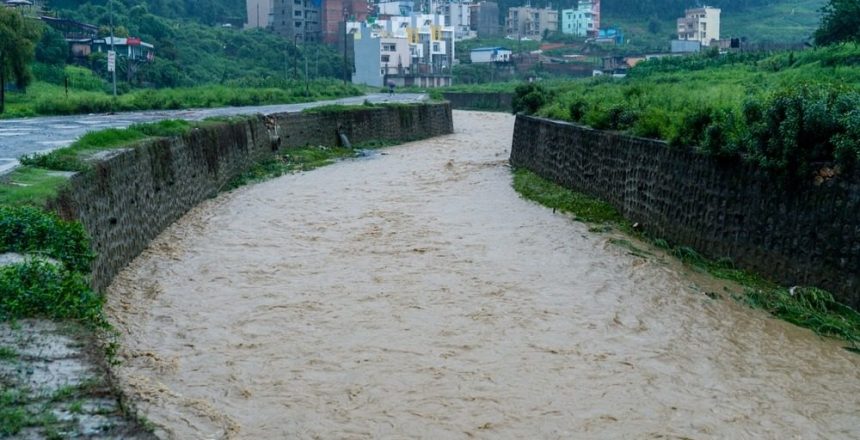
A catastrophic deluge swept through the Himalayan border region separating Nepal and China, leaving at least 160 people dead and triggering a massive search operation across multiple mountain districts. Disaster officials reported that a sudden surge along the Bhote Koshi River tore through border communities, sweeping away entire villages, critical infrastructure, and security posts. The destruction followed an avalanche of ice and rock, likely linked to seismic activity that created a temporary river blockage before sending millions of gallons of water rushing downstream into the Rasuwa, Nuwakot, and Dhading districts.
More than 400 travelers remain unaccounted for in the affected zones, according to figures released by regional tourism authorities. The unaccounted include dozens of international visitors, with tour agency rosters listing citizens from the United States, India, Australia, Canada, the United Kingdom, and Malaysia. Many of the missing foreign travelers were participating in mountain expeditions or traveling along traditional routes toward religious pilgrimage sites in Tibet, while hundreds of local residents were trekking near mountain lakes for a regional religious festival when the disaster struck.
Emergency response efforts are underway across both sides of the frontier, though severe terrain and damaged transit corridors continue to hinder operations. The surge destroyed dozens of bridges and rendered key highway stretches impassable, isolating remote mountain settlements. Military helicopters and specialized search units have been deployed to airlift stranded residents and tourists, while local medical facilities have cleared emergency capacity to treat survivors rescued from the mudslides.
In neighboring Tibet, Chinese authorities reported significant damage and casualties near the Gyirong Port customs crossing, where floodwaters severed power lines and communication networks. The surge destroyed several hydroelectric installations along the river system, including facilities where energy personnel were reported missing. High-level governmental coordination has been initiated between Nepalese and Chinese disaster management agencies to monitor water levels, with neighboring nations offering humanitarian assistance and logistics support.
Foreign embassies in Nepal issued urgent advisories to their nationals, instructing travelers to avoid riverbanks and move to elevated areas. Diplomatic personnel are actively coordinating with tour operators and local law enforcement to track missing citizens as registration rosters are verified. Environmental researchers noted that while monsoon weather patterns contribute to seasonal hazards, rapid geological shifts and glacial instabilities continue to elevate the danger of sudden inland water surges throughout the high-altitude region.
Editorial credit: AP Tolang / Shutterstock.com