

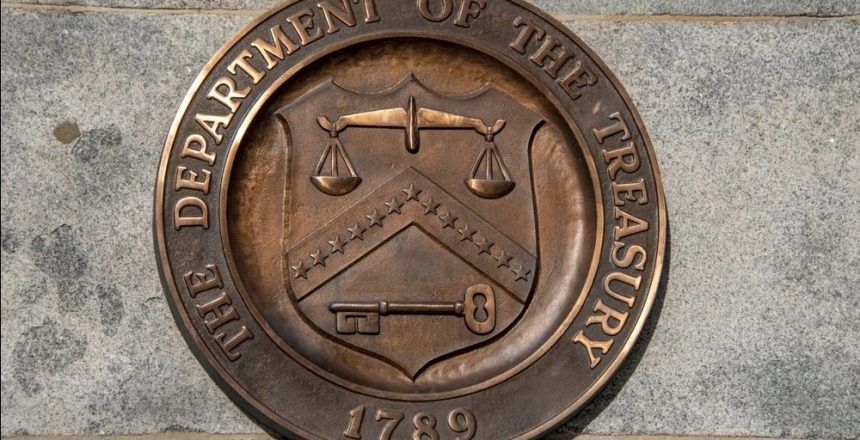
The U.S. Department of the Treasury introduced a comprehensive broad-scale economic enforcement strategy aimed at severing remaining international trade corridors tied to Tehran. Treasury Secretary Scott Bessent said during a press briefing that the aggressive policy expansion, dubbed “Operation Economic Outcast,” targets commercial partners, logistics channels, and banking networks continuing business operations with the Middle Eastern nation. the regulatory action emphasizes increased reliance on secondary measures, penalizing third-party entities, foreign banks, and private firms abroad that maintain economic interactions with Tehran’s primary revenue channels.
Speaking from Washington, Bessent articulated the core objective of the offensive, asserting, “Our objective is to sever every economic lifeline that sustains this tyrannical regime until Tehran stands alone”. Officials confirmed that joint delegations spanning federal diplomatic, military, and financial domains are coordinating directly with foreign counterparts to demand prompt enforcement. According to authorities, foreign nations and financial institutions have been provided structured timetables to suspend ongoing commercial engagements or risk total exclusion from the U.S. dollar-denominated global clearing system.
The targeted offensive primarily focuses on five major economic sectors: digital assets, technology, gold, aviation, and shipping. Simultaneously, the Office of Foreign Assets Control designated over 60 foreign individuals, commercial entities, and maritime vessels accused of assisting illicit procurement networks, facilitating cyber initiatives, or aiding energy transport. Highlighting the Administration’s strategic shift away from direct conflict toward absolute economic containment, Bessent noted, “America is no longer managing the Iranian threat. We are ending it”.
The policy framework attempts to force international governments to pick between commerce with Washington or continuing ties with Tehran. Framing the dilemma for international stakeholders, Secretary Bessent stated that Tehran faces a stark choice between “complete global isolation and a subsistence economy or a path back to normalcy with an opportunity to rejoin the global economy”. Officials issued stern warnings regarding third-party participation, reiterating that “Those who tether themselves to the Iranian regime should expect to share in the isolation of a withering regime”.
Global analysts note the rollout arrives amid severe economic strain within Tehran, marked by currency devaluations and steep inflation rates across domestic markets. However, enforcing full compliance poses diplomatic hurdles given Tehran’s decades-long history of establishing evasive trade mechanisms, front corporations, and alternative shipping channels. Foreign officials in Tehran pushed back against the pressure, warning that international compliance with Washington’s punitive campaign would be viewed as a hostile act.
Editorial credit: ChicagoPhotographer / Shutterstock.com