

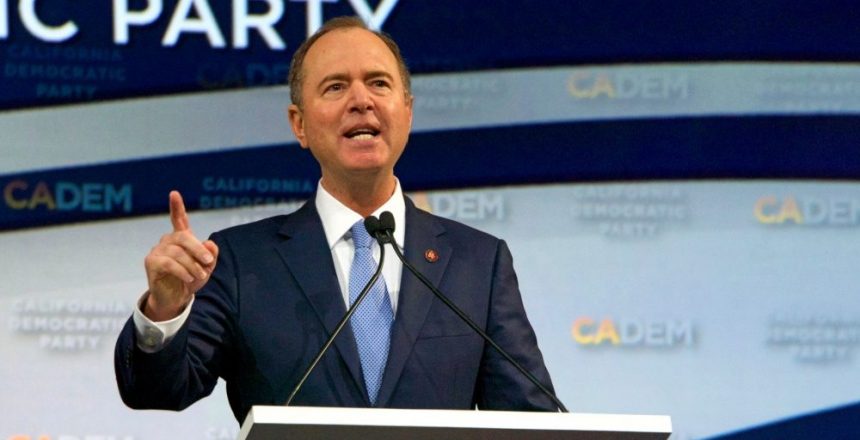
Sen. Adam Schiff (D-Calif.) has introduced legislation aimed at placing new limits on the Pentagon’s use of artificial intelligence, requiring meaningful human involvement in military decisions and prohibiting the technology from being used for domestic surveillance. The proposal comes as lawmakers from both parties debate how quickly AI should be integrated into national security operations amid concerns about accountability and civil liberties. The effort follows similar proposals advanced by Sens. Kirsten Gillibrand, Elissa Slotkin, Chris Coons and Jack Reed, with several lawmakers looking to attach AI-related provisions to the annual defense authorization bill.
The Human Authority in Lethal Operations Act addresses the rising integration of autonomous and semi-autonomous combat and surveillance tools. Under the proposal, military personnel authorizing force with these systems must maintain exhaustive logs of their decision-making processes, including how targets are chosen, and subject the software to formal regulatory reviews.
Schiff’s measure would build on existing Defense Department policies by making safeguards a matter of law. The legislation seeks to ensure that humans retain authority over life-and-death decisions involving weapons systems and responds to growing concerns over fully autonomous capabilities. The push gained momentum after a dispute between the Pentagon and AI company Anthropic over the potential use of its technology in autonomous weapons and mass surveillance. Anthropic resisted broader military terms and later challenged the government in court after being labeled a supply-chain risk. The episode intensified calls in Congress to establish statutory limits rather than rely solely on internal policies or agreements with technology companies.
Proponents of the legislation argue that vital combat decisions must ultimately stay tethered to human judgment. While acknowledging the logistical benefits of computational technology, lawmakers emphasize that automated tools require boundaries when human lives are at stake. As Schiff noted during the rollout, “There are good reasons to use AI technology to advance our national security,” but “we cannot depend on technology alone to guide us, particularly when the risks of harm can be fatal.”
Editorial credit: Sheila Fitzgerald / Shutterstock.com