

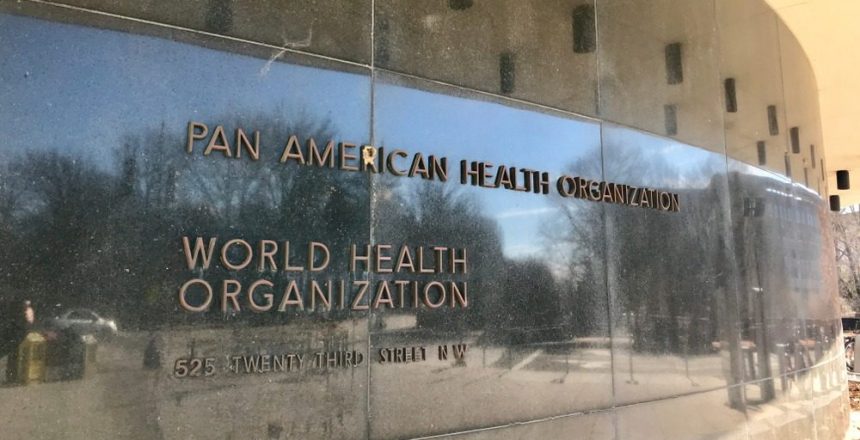
The United States has officially lost its measles elimination status for the first time since 2000, the Pan American Health Organization (PAHO) announced Tuesday, Nov. 17, marking a significant setback for the country’s public health system. The decision follows more than a year of continuous measles transmission, with Mexico and Bolivia also losing their elimination designations. PAHO Director Jarbas Barbosa confirmed that an independent regional commission reviewed the evidence and determined that endemic transmission had become reestablished in all three countries.
Under PAHO’s criteria, a country loses its elimination status when the same measles virus genotype and lineage circulate continuously for at least 12 months. In the United States, the transmission chain began Jan. 20, 2025, and surpassed that threshold the following year. Measles was declared eliminated in the country in 2000 after widespread vaccination efforts successfully interrupted continuous domestic transmission. However, the recent resurgence has reversed more than two decades of progress, with the country experiencing its highest number of cases in more than 30 years.
According to figures reported by the PAHO, the United States has recorded more than 7,700 measles infections and 13 deaths since 2025. More than 5,400 confirmed measles cases have been recorded in the United States so far in 2026, doubling the prior year’s total and representing the worst national outbreak since 1991. Health data indicate that roughly 97% of infections since early 2025 have occurred in unvaccinated individuals, fueled by post-pandemic declines in routine immunization and local pockets of vaccine hesitancy. National kindergarten coverage for the measles, mumps and rubella vaccine fell to 92.4% during the 2025–2026 school year, dropping below the 95% threshold required to maintain community immunity. Major clusters in Texas, South Carolina, Utah and Pennsylvania have driven the sustained transmission.
Despite the loss of the formal designation, federal health officials emphasized that clinical guidance and outbreak response protocols remain unchanged. “The measles elimination designation is not what protects Americans. Vaccination does,” Centers for Disease Control and Prevention Director Dr. Erica Schwartz said in a joint statement, noting that the agency has allocated $100 million to state and local health departments to curb ongoing outbreaks. While the classification carries no legal or trade penalties, it places U.S. surveillance and immunization data under closer international scrutiny.
International health leaders stressed that reversing the trend remains achievable through coordinated public health action. “Measles elimination is not a trophy that is won once and placed on a shelf,” Barbosa said during a Tuesday news conference. “It is an achievement that must be safeguarded every day by closing immunity gaps and ensuring we reach every community.” PAHO officials expect the United States, Mexico and Bolivia to submit formal corrective action plans in the coming weeks detailing how they will halt local transmission for a full year to regain their elimination status.
Editorial credit: Conor P. Fitzgerald / Shutterstock.com