

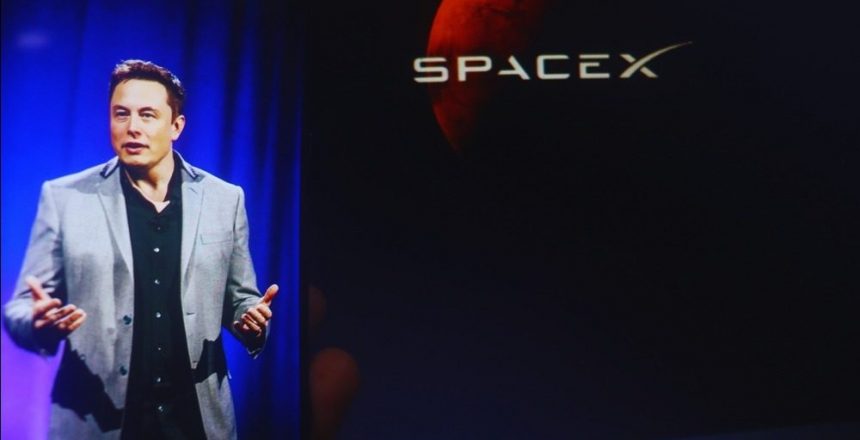
Tech billionaire Elon Musk revealed an ambitious initiative to grant individual company stock to youth across the United States. Taking to his social media network, Musk announced his intention to transfer portion of his personal equity holdings to young residents. “Next year, I will give one of my SpaceX shares to every kid in America,” Musk stated online. “This will be the first of many”.
The announcement coincides with ongoing federal initiatives aimed at establishing long-term investment accounts for children. Financial institutions and corporate entities have increasingly explored ways to match federal contributions or donate asset shares to minor accounts. While specific timelines for eligibility and registration remain unconfirmed, Musk signaled that the upcoming distribution will serve as the initial phase of broader distribution efforts.
The potential valuation of the proposed giveaway represents a massive financial outlay. With roughly 72 million to 73 million children residing in the country under the age of 18, the stock allocation would total approximately $10.5 billion based on recent trading levels. The move closely followed discussions surrounding alternative corporate philanthropy methods. When artificial intelligence enterprise Anthropic revealed plans to commit equity to a fund serving public interest, Musk publicly advocated for direct share distribution. “I recommend giving the shares directly to the public,” Musk wrote online. “This is what I will be doing”.
Financial analysts note that the proposed contribution represents a tiny fraction of Musk’s personal fortune, which is largely anchored in his holdings across space and automotive technology ventures. Musk currently retains several billion shares in the aerospace firm, giving him substantial voting influence over company governance. While market figures experienced modest upward movement following the post, neither Musk nor corporate representatives have issued formal operational frameworks explaining how the distribution will be financed or executed.
Legal specialists and regulatory experts highlight multiple administrative hurdles that must be cleared to realize the distribution. Transferring equity to millions of underage individuals involves strict compliance with securities regulations, tax obligations, and custodial account requirements. Observers also note questions concerning eligibility requirements, including whether the plan will extend exclusively to citizens or cover all legal residents, as well as potential transfer restrictions on privately held holdings.
Editorial credit: Creative Salim / Shutterstock.com