

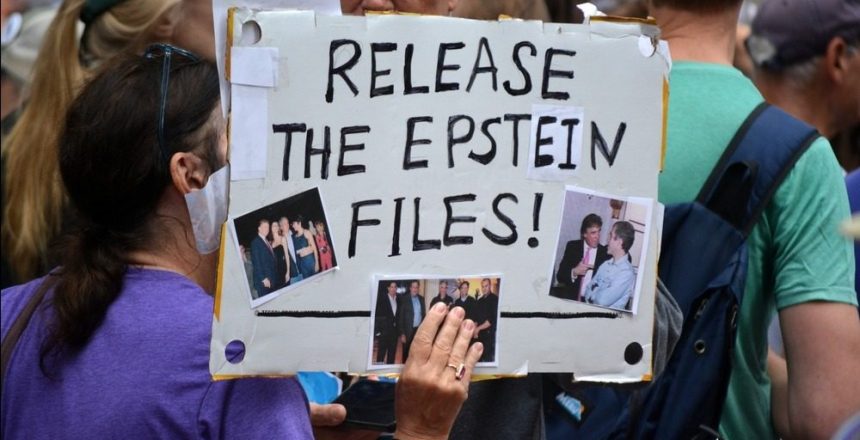
The state of New Mexico filed a federal lawsuit Wednesday against the U.S. Department of Justice and Acting Attorney General Todd Blanche, accusing federal leadership of obstructing state authorities from investigating sex crimes associated with deceased financier Jeffrey Epstein. Submitted to the U.S. District Court for the District of Columbia, the complaint contends that federal officials repeatedly rejected requests for crucial investigative documents from New Mexico Attorney General Raúl Torrez, taking actions that “actively harms victims and undermines the public interest”.
The legal filing landed alongside the release of preliminary findings from New Mexico’s ongoing probe into Epstein’s former Zorro Ranch estate near Santa Fe. State prosecutors stated in court documents that they “faced sustained resistance” when seeking the type of routine information sharing that previously took place between state and federal law enforcement agencies. Although New Mexico originally paused a 2019 investigation at the behest of federal prosecutors, state investigators reopened the matter earlier this year to review unredacted case materials under federal transparency legislation.
State officials argue that federal inaction severely hampers local efforts to evaluate alleged abuses and hold potential accomplices accountable. In preliminary correspondence cited in the lawsuit, Torrez emphasized that “The USDOJ’s continued withholding of unredacted records is causing real and escalating harm to the NMDOJ’s criminal investigation,” adding that state prosecutors view the months-long delay as an “unreasonable delay under any rule of reason”. The lawsuit asserts that New Mexico remains one of the few jurisdictions positioned to prosecute surviving associates or “provide some sense of justice to survivors”.
In response to previous inquiries, Department of Justice spokespeople stated that the federal government remains open to assisting local authorities if state proceedings reveal actionable evidence. However, state officials maintain that without federal compliance and access to unredacted evidentiary files, critical leads and survivor testimonies risk degrading over time.
Editorial credit: Christopher Penler / Shutterstock.com