

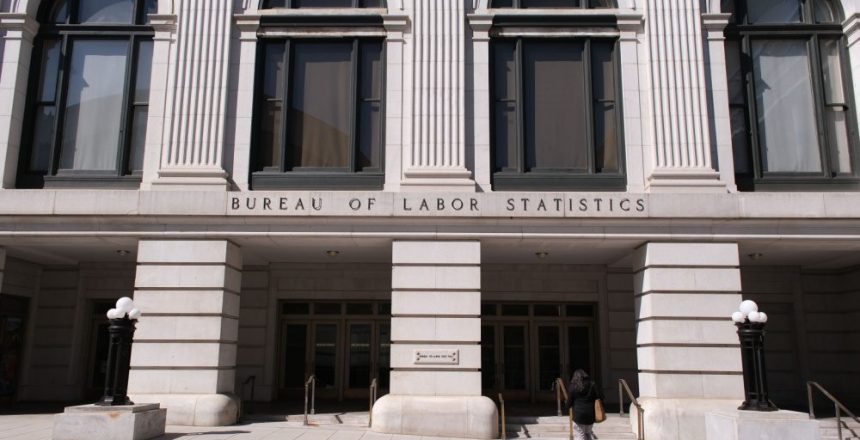
U.S. inflation accelerated to its highest level in more than three years in May, driven largely by rising gasoline and energy costs tied to the conflict involving Iran, according to data released Wednesday by the Labor Department’s Bureau of Labor Statistics.
The Consumer Price Index rose 4.2% from a year earlier and 0.5% from April, marking the third consecutive month of faster price growth and exceeding the 4% threshold for the first time since 2023. The increase matched economists’ expectations. Higher fuel prices accounted for much of the increase after disruptions in global oil markets sent gasoline costs sharply higher.
Energy prices rose 3.9% during the month and more than 23% from a year earlier, while gasoline prices climbed roughly 40% annually. Data from the U.S. Energy Information Administration showed average gasoline prices reached about $4.60 per gallon in May, though prices have eased somewhat in recent weeks amid a ceasefire and diplomatic efforts.
Core inflation, which excludes food and energy, rose 2.9% over the previous year and increased 0.2% in May, indicating that underlying price pressures remained more moderate. Food prices posted smaller gains, while some categories, including transportation services and motor vehicle insurance, showed declines. Economists cited by several outlets said the data suggested that the recent surge in headline inflation had not yet spread broadly across the economy.
The inflation increase has added pressure on households, with prices outpacing wage growth for a second straight month. Analysts said that consumers have increasingly relied on savings to maintain spending, while higher costs have complicated the economic outlook. Financial markets reacted cautiously, with investors largely maintaining expectations that the Federal Reserve will leave interest rates unchanged at its upcoming meeting.
Despite the warnings from analysts, President Donald Trump dismissed concerns over the price spikes during an Oval Office media briefing. When questioned about the government data, Trump replied, “No, I love it. The numbers were great.” The president further defended the trajectory of the economy, stating, “You know what I really love? I love the inflation,” and asserted that “When the war is over, it’s coming down.” White House spokesperson Kush Desai instead highlighted areas of the report where policymaking had successfully driven down the costs of dairy products, prescription drugs, new vehicles, and insurance.
The latest figures also pose a political challenge for President Trump, who campaigned on lowering prices. While administration officials have argued that inflation should ease if energy markets stabilize, economists warn that continued geopolitical uncertainty and the possibility of further disruptions to oil supplies could keep inflation above the Federal Reserve’s 2% target for some time.
Editorial credit: NLM Photo / Shutterstock.com